Foundations + Footings
-
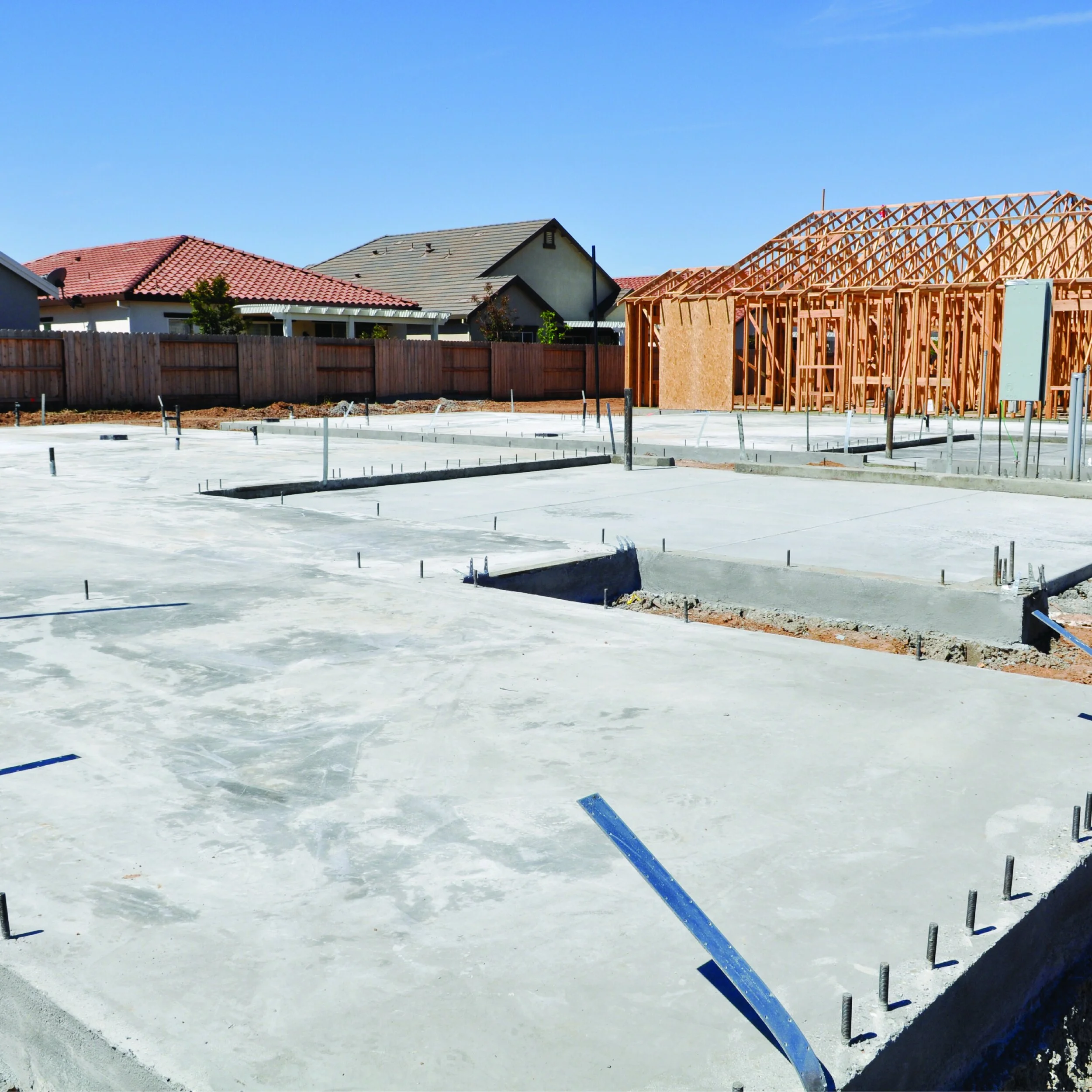
Foundations and footings are fundamental components in the field of concrete construction, serving as the critical base upon which entire structures are built.
Foundations are the lowest part of a building or structure, designed to transfer the weight and loads of the entire structure to the ground, ensuring stability and preventing settlement. They come in various types, including shallow foundations (such as spread footings) used for lighter structures and deep foundations (like piles or caissons) for heavier structures or when dealing with challenging soil conditions. Foundations are crucial for distributing the building's weight evenly and preventing structural movement or settlement over time.
Footings are a specific type of foundation component, typically the wider, bottom part of the foundation that directly supports the load-bearing walls or columns. Footings are essential for spreading the weight of the structure across a larger area, preventing it from sinking into the ground. They are meticulously designed to match the load requirements and the type of soil present at the construction site.
In summary, foundations and footings are the unsung heroes of concrete construction, providing the necessary structural support and stability for buildings, bridges, and various other structures, ensuring they stand solidly and safely on the ground. Their design and construction are critical to the long-term integrity and safety of any construction project.
Driveways
-
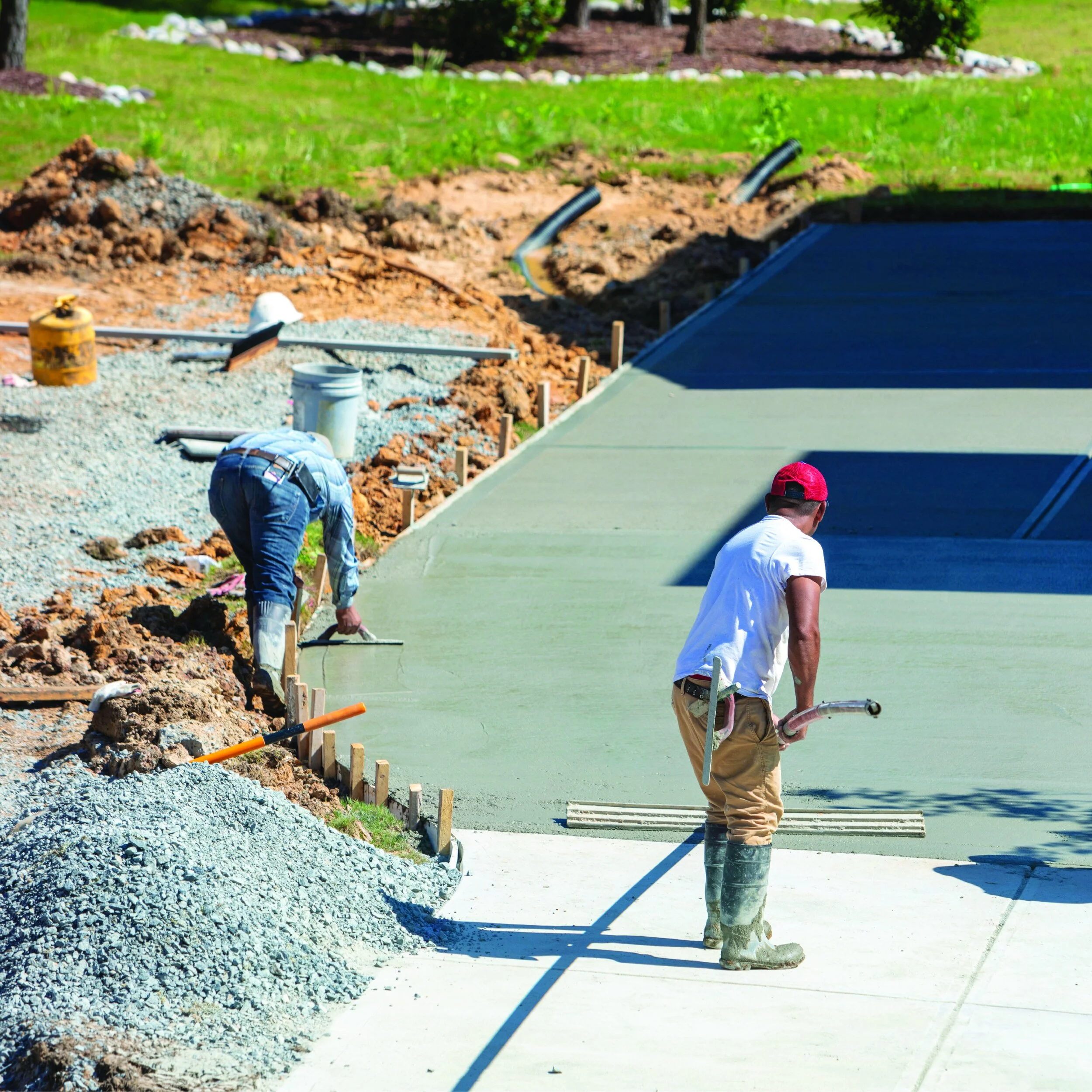
Professionally poured driveways are of paramount importance in the field of concrete construction for several key reasons:
Durability and Longevity: Professionally poured driveways are built to withstand the test of time. They are constructed using high-quality materials and expert craftsmanship, ensuring that they can endure heavy vehicle traffic, weather fluctuations, and other environmental factors. This durability translates into a longer lifespan, reducing the need for frequent repairs or replacements.
Safety: A professionally poured driveway is designed with safety in mind. The surface is meticulously leveled and finished, minimizing the risk of trip hazards and providing excellent traction for vehicles. Proper drainage can also be incorporated to prevent water accumulation, reducing the chances of slippery surfaces.
Curb Appeal: Your driveway is often one of the first elements people notice when approaching your property. Professionally poured driveways not only enhance the aesthetic appeal of your home but also add value to your property. A well-constructed driveway complements the overall look and feel of your residence.
Functionality: Whether you need a smooth surface for vehicle access, additional parking space, or a safe area for kids to play, professionally poured driveways are tailored to meet your specific needs. They can be customized in terms of size, shape, and design to maximize functionality.
Code Compliance: Professional concrete contractors are well-versed in local building codes and regulations. They ensure that your driveway is constructed in compliance with all relevant codes, preventing potential legal issues down the road.
Cost-Efficiency: While professionally poured driveways may have an upfront cost, they often prove to be more cost-effective in the long run. They require fewer repairs and maintenance, saving you money and time over the life of your driveway.
In essence, professionally poured driveways are essential in the world of concrete construction because they provide the foundation for safe, durable, and visually appealing entryways to homes and businesses. Their expert construction ensures that they meet the highest standards of quality and performance, offering long-term benefits to property owners.
Masonry
-
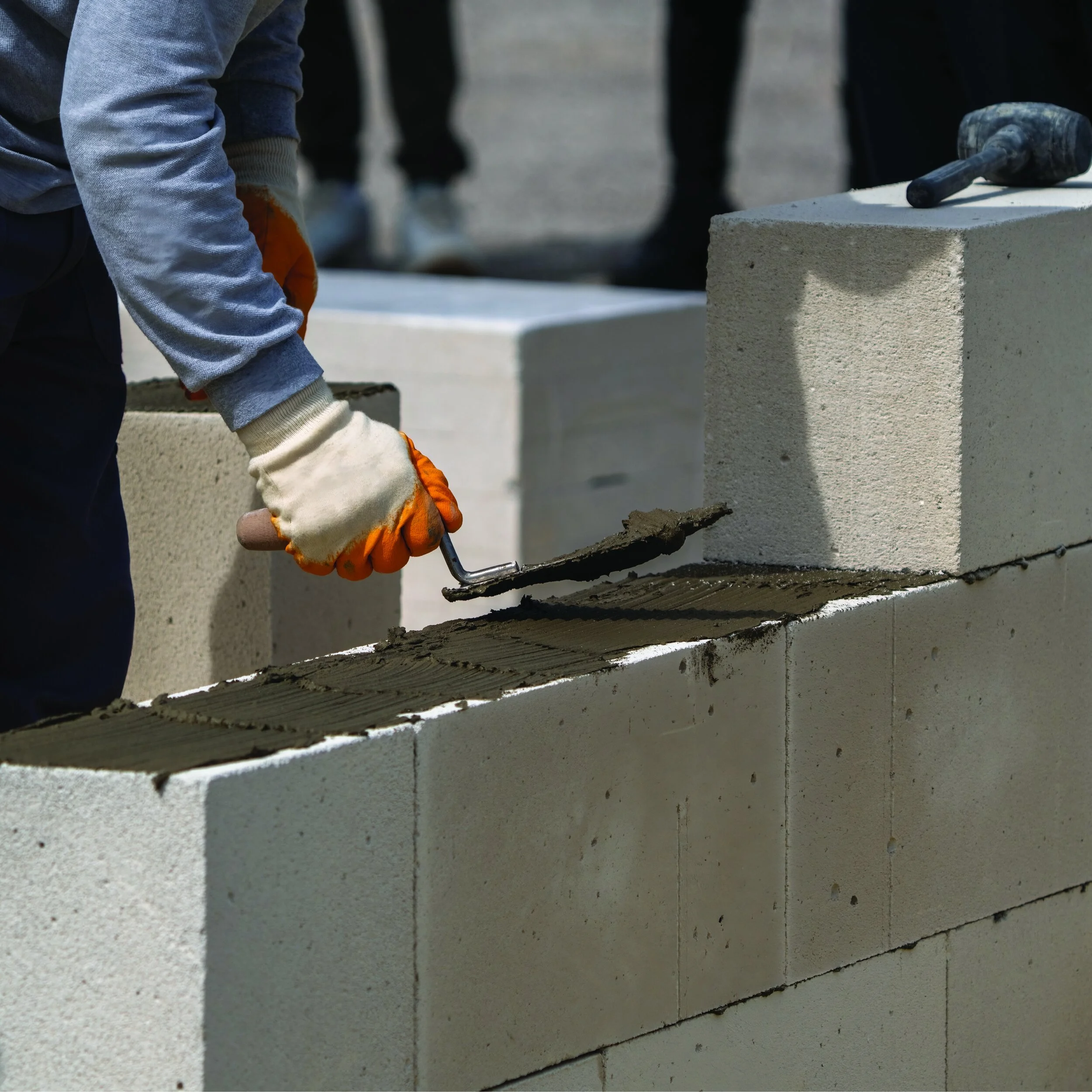
Masonry refers to the skilled craft and trade of building structures and architectural features using various types of masonry units, such as bricks, concrete blocks, stone, and sometimes even concrete itself.
Masonry involves arranging these units in a systematic manner and bonding them together using mortar, a specialized cement-based adhesive.
Masonry plays a pivotal role in the construction of walls, facades, columns, retaining walls, fireplaces, and a variety of other architectural elements. It provides a robust and durable construction method, known for its longevity, fire resistance, and aesthetic appeal. Masonry structures can withstand the test of time, making them a popular choice in both residential and commercial construction projects.
Our skilled masons are responsible for carefully laying each masonry unit, ensuring precise alignment and mortar application to create a stable and visually appealing finished product. Masonry can be customized to achieve various textures, patterns, and colors, allowing for a wide range of design possibilities that enhance the overall aesthetics of a building.
In summary, masonry is a fundamental component of concrete construction that combines artistry and craftsmanship with the strength and durability of concrete and masonry units to create enduring and visually pleasing architectural elements and structures.
Stamping + Colored Concrete
-
Stamping and coloring concrete are innovative techniques in the field of concrete construction that enhance the visual appeal and texture of concrete surfaces:
Stamping Concrete:
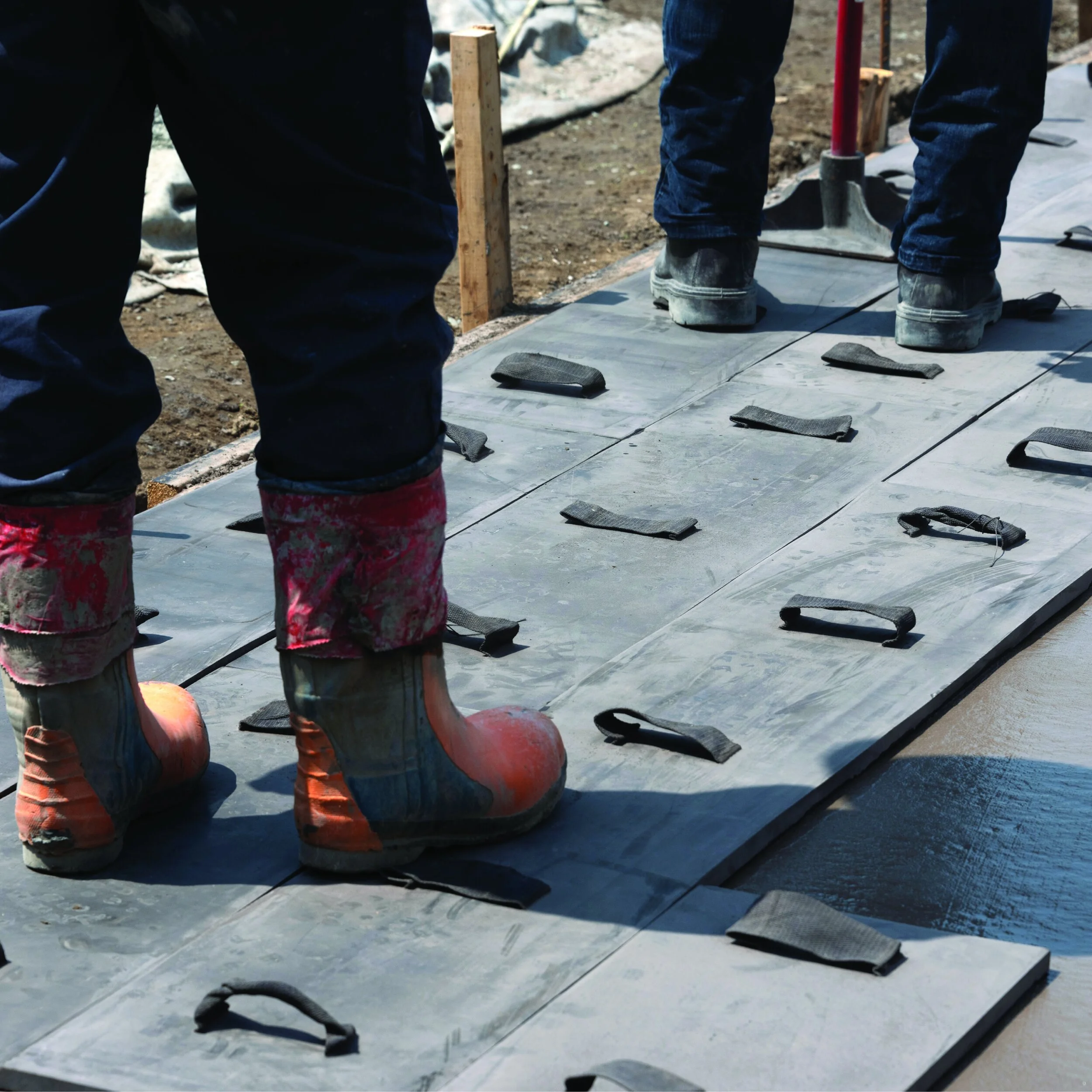
Stamping concrete is a decorative process that transforms plain, flat concrete surfaces into artistic and textured designs. This technique involves pressing or "stamping" various patterns, textures, or shapes onto freshly poured or wet concrete before it sets. Common stamping patterns replicate materials like brick, stone, slate, or even wood. The result is a visually appealing and textured surface that mimics the look and feel of more expensive materials, adding character and sophistication to driveways, patios, walkways, and other concrete surfaces.
Coloring Concrete:
Coloring concrete is the art of adding color to the concrete mix or applying colorant to the surface of cured concrete to achieve a desired aesthetic effect.
There are two primary methods for coloring concrete: integral coloring and surface coloring.
Integral Coloring: This involves adding pigments or color additives directly to the concrete mix during the mixing process. The result is a consistent, uniform color throughout the entire concrete surface. Integral coloring is often used for applications like colored concrete driveways, sidewalks, or interior floors.
Surface Coloring: Surface coloring, also known as concrete staining, involves applying colorants or stains to the cured concrete surface. This method allows for a wider range of color options and can create intricate, artistic designs or mimic the appearance of natural materials.
Stamping and coloring concrete provide architects, homeowners, and contractors with creative freedom to design unique and aesthetically pleasing surfaces that can imitate expensive materials or showcase intricate patterns. These techniques are increasingly popular for enhancing the visual impact of a wide range of concrete projects, from residential to commercial, making them an integral part of modern concrete construction.
Stucco
-
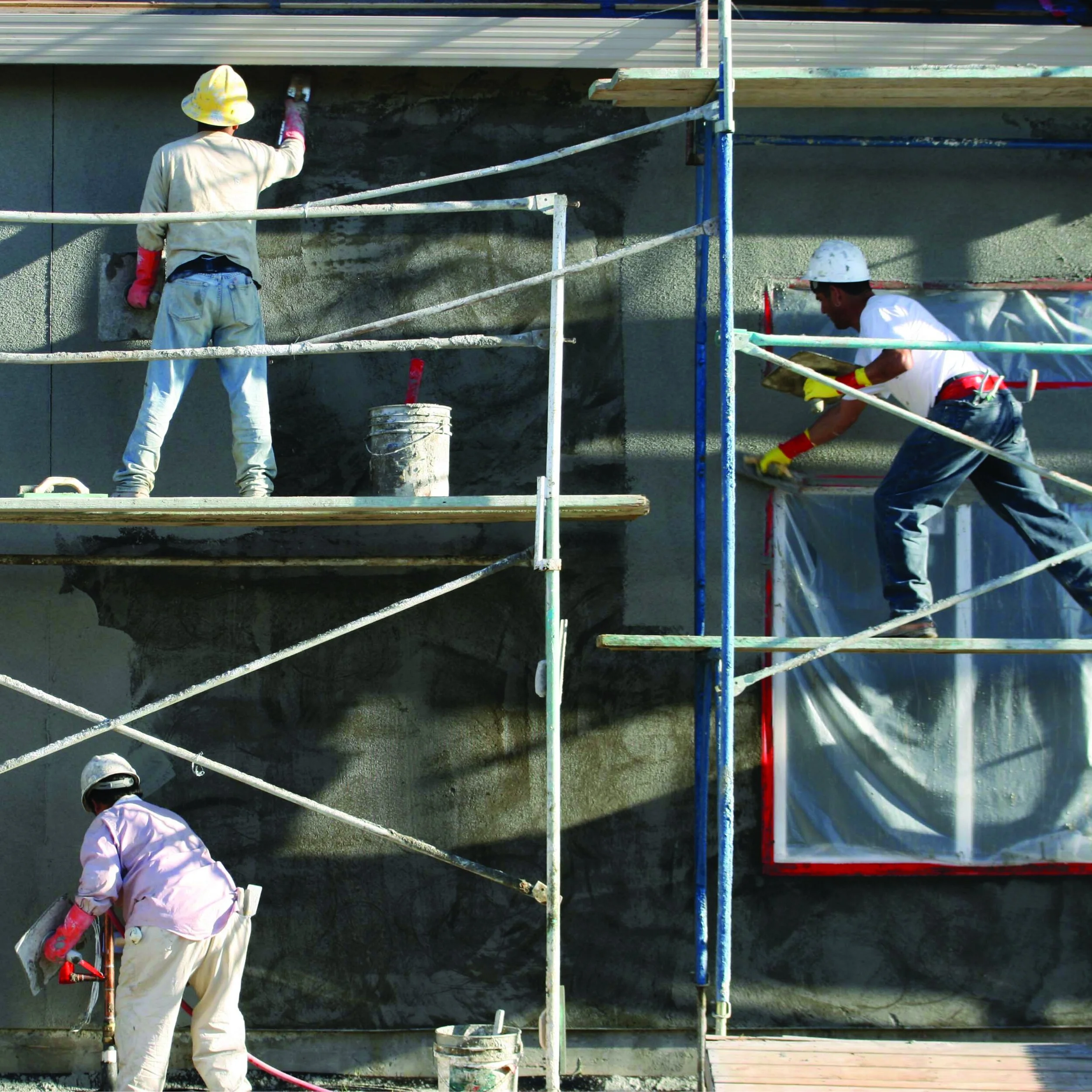
Stucco is a versatile and time-tested exterior finish commonly used in the field of concrete construction. It is a mixture of cement, sand, and water, often with additional materials such as lime or acrylic polymers for added flexibility and durability. When applied to surfaces like concrete, masonry, or wood, stucco forms a hard, textured, and weather-resistant coating that enhances both the aesthetics and functionality of buildings.
Stucco provides several key benefits in concrete construction:
Weather Resistance: Stucco acts as a protective barrier against the elements, shielding the underlying concrete structure from rain, wind, and temperature fluctuations. It helps prevent moisture infiltration, which can cause damage and deterioration over time.
Durability: Stucco is known for its longevity, as it can withstand wear and tear and maintain its appearance for many years. Its robust composition contributes to the overall structural integrity of the building.
Versatility: Stucco can be applied in various textures and finishes, allowing for customization to match architectural styles and design preferences. It can be painted in a wide range of colors to further enhance a building's visual appeal.
Energy Efficiency: Stucco provides insulation properties that help regulate indoor temperatures, making it an energy-efficient choice for buildings, as it can reduce heating and cooling costs.
Low Maintenance: Stucco is relatively low-maintenance compared to other exterior finishes. Periodic cleaning and minor repairs are typically sufficient to keep it looking its best.
Fire Resistance: Stucco is inherently fire-resistant, which enhances the safety of the building and reduces the risk of fire-related damage.
In summary, stucco is a versatile and durable exterior finish in concrete construction, prized for its protective and aesthetic qualities. It not only adds visual appeal to buildings but also plays a vital role in ensuring the longevity and structural integrity of concrete and masonry surfaces.